

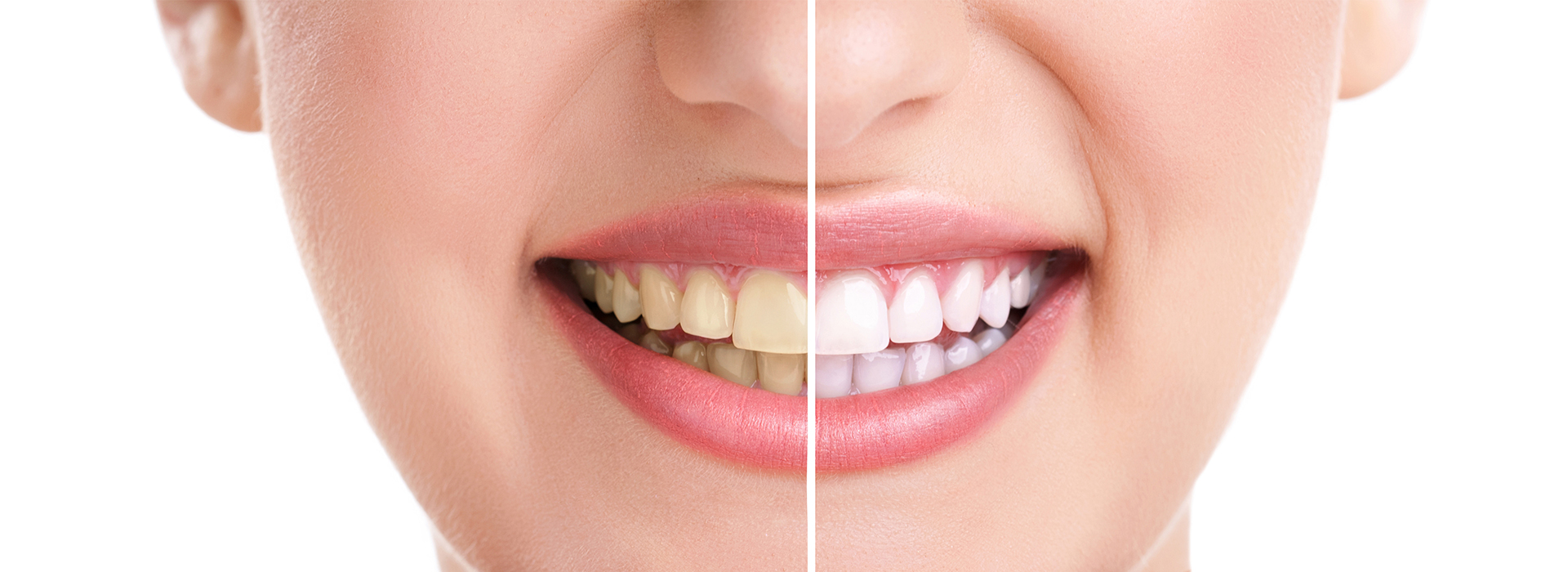
A brighter smile can change how you feel about yourself and how others perceive you. At Apple Dentistry in Lansing, IL, we focus on safe, effective teeth whitening that improves your smile while preserving long‑term oral health. Our approach combines clinical experience with patient-centered care so you get results that look natural and last.
Discoloration can come from many sources—food and drink, medication, aging, or past dental work—and each situation needs a thoughtful response. Professional whitening is often the fastest way to remove surface and deeper stains, but success depends on choosing the right method for your teeth and lifestyle.
Below you’ll find an in-depth look at how whitening works, what we consider before recommending treatment, and practical guidance for maintaining a radiant smile. Our goal is to give you clear, trustworthy information so you can make the best decision for your smile.
No two smiles are the same, and an effective whitening plan starts with understanding your expectations and oral health. During your consultation, we review your dental history, examine existing restorations, and assess sensitivity or gum concerns so the treatment plan supports both aesthetics and health.
Based on that evaluation, we’ll discuss options that fit your schedule and desired level of improvement. Some patients prefer a single in-office visit for rapid change, while others opt for professionally supervised take-home trays that allow gradual enhancement and easier upkeep.
We also talk through realistic outcomes so you know what to expect. Our goal is to deliver a brighter smile that complements your natural tooth tone rather than creating an unnatural, overly white result.
Tooth color is influenced by both surface stains and changes within the tooth itself. Surface staining comes from foods, beverages, and tobacco, while internal discoloration can result from aging, medications, dental trauma, or the underlying dentin showing through as enamel thins.
Genetics and enamel thickness play a role too—some people simply start with naturally darker shades. Understanding the underlying cause helps us choose the most effective whitening method and set appropriate expectations for improvement.
It’s also important to remember that restorations such as crowns, veneers, and certain fillings do not respond to bleaching. When restorations are visible, we’ll review cosmetic alternatives or plan for matched replacements once whitening is complete.
Teeth whitening falls into two broad categories: clinician-managed treatments and over-the-counter products. Professional systems deliver higher concentrations of peroxide in controlled environments or through customized take-home trays, which generally provide more reliable and predictable results than off-the-shelf options.
In-office procedures typically use a stronger bleaching gel applied with isolation techniques to protect soft tissues and maximize contact with enamel. Take-home kits from the dental office use custom trays and professional-grade gel at a concentration suited to gradual whitening and long-term maintenance.
We prioritize safety and efficacy—delivering peroxide in a way that limits irritation and achieves even whitening across the smile. During your visit, we’ll explain the benefits and trade-offs for each approach so you can choose the path that best fits your needs.
A typical in-office whitening session begins with a brief exam and cleaning if needed to remove surface debris. We isolate the lips and gums, apply the whitening agent to the teeth, and monitor the process in short cycles to ensure comfort and effectiveness.
Take-home systems start with impressions to create snug-fitting trays that hold the whitening gel against the teeth. You’ll receive clear instructions on how long and how often to wear the trays, along with guidance for managing any temporary sensitivity.
Regardless of the method, we check progress and make adjustments if necessary. Our clinicians balance accelerating results with protecting enamel and gum tissue so the whitening experience is both effective and comfortable.
Certain dental conditions affect whether whitening is appropriate. Active tooth decay, significant gum disease, cracked teeth, or loose restorations should be addressed before any bleaching is attempted. We evaluate these factors and may recommend preventive or restorative care first.
Sensitivity is another common concern—some patients experience transient sensitivity after whitening. We can reduce the likelihood of discomfort by using desensitizing agents, adjusting treatment duration, or recommending specialized toothpaste for sensitive teeth before and after whitening.
If internal staining or very gray tones are present, whitening alone may not achieve the desired result. In those cases, we’ll discuss complementary cosmetic options so your smile can meet your expectations in both color and form.
Maintaining a brighter smile involves straightforward habits. Limiting foods and drinks that stain—such as coffee, red wine, and colored sauces—especially for the first 48 hours can help preserve the initial gains from professional whitening. Good daily oral hygiene also reduces surface buildup that leads to staining.
We often recommend periodic touch-ups using customized trays and professional gel to sustain results, particularly for patients with diets or habits that promote staining. Incorporating a sensitivity-friendly toothpaste and following our guidance on frequency will support comfort and longevity.
If you have existing dental restorations, plan on reviewing their appearance after whitening. Because restorations do not bleach, replacement or cosmetic refinements may be discussed to ensure a harmonious smile once whitening is complete.
At Apple Dentistry, our commitment is to provide clear, evidence-based guidance and safe, comfortable whitening care tailored to each patient. If you’re considering brightening your smile or want to learn which option is right for you, please contact us for more information.
While an overwhelming selection of over-the-counter teeth whitening products is readily available for purchase at stores or online, it's imperative to keep in mind that the healthiest and most effective methods of care are those professionally supervised by your dentist. With a teeth whitening procedure provided by our office, we can safely, comfortably, and effectively transform your smile by up to several shades in a short amount of time.
Teeth whitening offers a simple and non-invasive way to whiten and brighten your smile. Whitening products contain various strengths of biologically safe hydrogen peroxide or carbamide peroxide that act as bleaching agents on stained or discolored dental enamel. By breaking the stains into smaller pieces, these bleaching agents make the color less concentrated and your teeth brighter.
Every patient is different, and despite the fact that many people experience no sensitivity or pain with a professional teeth whitening, there are some that do. Although considered a minimally invasive cosmetic procedure, some temporary discomfort during and following the procedure may ensue. It helps to stick to room temperature beverages for a few days following a teeth whitening. You can also take over-the-counter pain medication as you would for a headache. If you have a history of sensitive teeth, we may select a gentler formulation of whitening products or an alternative procedure.
It's essential to keep in mind that every patient has unique needs and specific requirements of care. In general, individuals with yellow tones to their teeth respond best to teeth whitening. Brown and grayish tinted teeth respond less well to bleach and may require significantly longer dentist-supervised tooth whitening regimens or alternative cosmetic treatments. Finally, teeth whitening may not be recommended in the presence of sensitive teeth, worn enamel, and significant gum disease.
For darkly stained teeth, a whitening procedure may not provide the cosmetic results desired. In these cases, we'll talk about alternative options such as porcelain veneers or full-coverage crowns.
Teeth whitening only works on natural teeth. The fact that whiteners do not affect the color of existing dental fillings, veneers, bonding, crowns, or bridges on the front teeth remains an important consideration when choosing the best cosmetic option in care.
As a rule, the healthiest and most effective methods of teeth whitening are the ones managed and supervised by your dentist. You can count on our office to provide the most effective, safest, and satisfying professional-strength options to whiten, brighten, and lighten your smile! Stay away from over-the-counter products, which may be overly abrasive or put the health of your teeth and the surrounding soft tissues at risk. While these products may work when healthy teeth and gums are present, they're often ineffective or problematic when sensitive teeth, exposed roots, cavities, broken fillings, cracked teeth, or loose dental work are the case.
How long your teeth whitening lasts depends on your lifestyle. Your eating, drinking, and smoking habits can have a significant impact on maintaining your result. Of course, the best way to ensure that your smile stays healthy and beautiful is a good daily oral healthcare regimen, along with regular dental checkups and cleanings.
It's essential to keep in mind that as a cosmetic dental procedure, a teeth whitening may not be covered by your insurance plan. We understand the financial considerations involved in care and do our best to help you get the treatment you need without any additional stress or delay. We offer several payment options and financing plans to make things easier.
At the office of Apple Dentistry, we want every patient to enjoy the benefits of a smile that is as beautiful as it is healthy. In addition to offering a comprehensive range of advanced services to keep your smile in tip-top health, we also provide leading-edge cosmetic solutions to transform less-than-perfect-looking teeth into ones that dazzle.
At Apple Dentistry in Lansing, IL, we offer both in-office whitening and professionally dispensed take-home systems tailored to each patient. In-office treatments use higher-concentration peroxide applied under controlled conditions for faster shade change, while take-home trays provide gradual, easily managed whitening at home. Both options are clinician-supervised and selected to balance effectiveness with comfort.
During your consultation we review dental history, restorations, and sensitivity to recommend the best approach. Treatments are chosen to deliver natural-looking results that complement existing tooth tone rather than producing an overly white appearance. We also explain the expected timeline and aftercare so you can make an informed decision that fits your routine.
Professional whitening uses peroxide-based agents that penetrate enamel to break apart stain molecules through an oxidation process. This chemical action reduces both surface stains and many deeper discolorations, allowing teeth to appear visibly lighter. The concentration and application method are controlled to optimize results while minimizing irritation.
The treatment approach depends on the type of staining present, with stronger, clinician-applied systems offering faster change and custom trays providing sustained contact for gradual whitening. A clinical exam helps determine which mechanism is most likely to achieve the desired improvement. Throughout the process, clinicians monitor progress to ensure even shade development across the smile.
When performed under professional supervision, teeth whitening is considered safe for most patients with healthy teeth and gums. Clinicians use isolation techniques and calibrated products to limit gum exposure and reduce the chance of soft-tissue irritation. Monitoring during treatment and appropriate product selection help protect enamel integrity.
Certain preexisting conditions, such as active decay, significant periodontal disease, or cracked teeth, should be addressed before whitening begins. If sensitivity occurs, desensitizing agents and adjusted protocols can reduce discomfort while preserving treatment effectiveness. Your clinician will review medical and dental history to ensure whitening is a prudent choice for your oral health.
Good candidates generally have healthy teeth and gums, realistic expectations, and no untreated dental disease. Whitening is most effective for extrinsic stains caused by foods, beverages, and tobacco, and for many types of intrinsic discoloration when properly evaluated. People with multiple visible restorations, severe intrinsic staining, or certain medication-related discolorations may require additional cosmetic strategies.
A consultation is important to assess enamel thickness, existing restorations, and sensitivity so that the chosen plan supports both aesthetics and oral health. For younger patients or those with a history of significant sensitivity, clinicians may recommend a gentler, staged approach. The goal is to recommend the safest, most predictable path to an improved smile.
Tooth discoloration arises from both extrinsic and intrinsic sources. Extrinsic stains develop on the enamel surface from foods, drinks, tobacco, and environmental factors, while intrinsic stains come from aging, medications, trauma, or changes in dentin showing through thinner enamel. Genetics and enamel thickness also influence baseline tooth color.
Professional whitening is effective for many extrinsic stains and some intrinsic discolorations, but it does not change the color of most restorations such as crowns, veneers, or composite fillings. When restorations are involved, clinicians will review cosmetic alternatives or a treatment sequence that achieves a balanced, harmonious smile once whitening is complete.
Longevity of whitening results varies by individual habits, diet, and oral hygiene. Consumption of staining foods and beverages, tobacco use, and natural aging processes can gradually diminish whitened shades over time. Enamel characteristics and the type of whitening system used also influence how long results persist.
Maintaining good daily oral hygiene and minimizing frequent exposure to staining substances help preserve outcomes. Many patients benefit from occasional touch-ups with professionally provided materials or abbreviated in-office sessions to refresh shade levels. Your clinician will recommend a maintenance schedule tailored to your habits and cosmetic goals.
An in-office appointment typically begins with a brief exam and cleaning if needed to remove plaque and surface debris. Lips and gums are isolated to protect soft tissues, and the whitening gel is applied in monitored cycles to ensure comfort and even effect. Clinicians check progress at intervals and make adjustments to balance speed of whitening with patient tolerance.
The entire visit is supervised to limit sensitivity and to achieve predictable shade improvement, and staff will provide instructions for caring for your teeth immediately afterward. Any temporary sensitivity is managed with recommended products and post-care guidance. A follow-up or review can be scheduled if additional enhancement or take-home maintenance is desired.
Take-home systems begin with impressions to create custom-fitted trays that hold professional-grade gel snugly against the teeth. You receive specific instructions on gel amount, wear time, and frequency to achieve gradual whitening while minimizing sensitivity. Proper tray fit and adherence to directions are key to even results and soft-tissue protection.
Follow-up visits allow the clinician to monitor progress and adjust the regimen if needed, and desensitizing products can be recommended when appropriate. Store materials as directed and avoid overuse, which can increase irritation without improving outcomes. Consistent, supervised use yields predictable and long-lasting shade enhancement.
Most dental restorations, including crowns, veneers, and some fillings, do not respond to bleaching agents and therefore will not change shade during whitening. This can result in a mismatch between natural tooth structure and existing restorations after bleaching. It is important to evaluate visible restorations prior to treatment so the final smile appears cohesive.
When restorations are present, clinicians typically plan whitening first to reach the desired natural tooth shade and then discuss replacement or color-matching of restorations as needed. Careful sequencing and communication about aesthetic goals help ensure a balanced result that integrates both natural teeth and restorative work. Your dentist will outline the most appropriate plan based on your specific restorative needs.
Sensitivity is a common, usually transient side effect of whitening that can often be managed with simple measures. Using a sensitivity-formulated toothpaste before and after treatment, applying recommended desensitizing agents, and spacing treatment cycles can reduce discomfort. Shortening individual application times or choosing a gentler regimen also helps safeguard comfort while still achieving results.
If sensitivity is pronounced or persistent, contact the practice so clinicians can modify the protocol or provide targeted care. Avoiding very hot or cold foods and drinks for a short period after treatment can also lessen temporary discomfort. With appropriate precautions and professional guidance, most patients complete whitening with minimal and manageable sensitivity.