


At the office of Apple Dentistry, we focus on creating positive early experiences that set the stage for a lifetime of healthy smiles. Pediatric dental care is more than treating cavities — it’s about guiding parents and children through every stage of dental development with clear information, compassionate care, and practical tools for everyday oral health.

Early childhood is a critical window for establishing routines that influence oral health for years to come. Simple practices—consistent toothbrushing with an age-appropriate toothbrush, limiting frequent exposure to sugary drinks, and regular dental checkups—create a foundation that reduces the risk of decay and supports normal jaw and tooth development. Parents who learn effective, realistic routines at the outset are better equipped to help children adopt those habits independently as they grow.
A pediatric dental visit is an opportunity for education as much as treatment. Clinicians assess tooth eruption patterns, screen for early signs of decay, and offer guidance tailored to a child’s stage of development. This early collaboration helps identify potential issues—such as enamel defects, bite irregularities, or harmful oral habits—before they become more complicated to treat. Preventive attention at a young age often reduces the need for more invasive interventions later.
Children respond best to care delivered in a calm, predictable environment where staff use age-appropriate language and techniques. Pediatric dental teams are trained to make visits feel safe and understandable, which lowers anxiety and builds trust. Over time, repeated positive experiences at the dentist encourage children to view oral health as a normal part of their routine rather than a source of fear.
A routine pediatric visit typically includes a thoughtful review of medical and dental history, a focused clinical exam, and a gentle cleaning. During the exam, the clinician evaluates the teeth, gums, jaw alignment, and oral tissues, paying close attention to how the child’s bite is developing and whether permanent teeth are coming in properly. Examinations help detect early signs of disease and guide recommendations for preventive care.
Dental cleanings remove plaque and tartar that can accumulate in hard-to-reach places and reduce the bacterial load in the mouth. Professionals also provide practical, hands-on instruction for parents and children—demonstrating brushing and flossing techniques, suggesting appropriate toothpaste amounts, and advising on routines that fit family life. These exchanges empower caregivers to continue effective oral care at home between visits.
When clinically indicated, the dental team may use digital radiographs to see between teeth and assess developing tooth positions. These images are valuable diagnostic tools that complement the clinical exam and ensure the care plan addresses any underlying concerns. The goal of each visit is to catch problems early, minimize discomfort, and keep children on track with healthy development.
Tooth decay remains a common childhood condition, but it is largely preventable. Decay develops when sugars and carbohydrates interact with oral bacteria to produce acids that erode enamel. Frequent snacking or sipping on sugary drinks increases the opportunity for these acids to damage teeth. Teaching children to limit sugary exposures and to rinse or drink water after snacks helps reduce risk.
Preventive treatments such as professionally applied fluoride and dental sealants can offer extra protection for susceptible teeth. Fluoride strengthens enamel and helps resist acid attack, while sealants provide a physical barrier on the deep grooves of molars where decay often begins. These options are applied quickly and painlessly during routine care and are part of a layered prevention strategy that includes good home hygiene and diet.
When decay is detected, timely treatment is important to avoid pain, infection, or damage to developing permanent teeth. Pediatric providers prioritize conservative approaches whenever possible, preserving tooth structure and function while easing discomfort. Parents can support this work by maintaining regular dental visits and following the care plan recommended by the dental team.
Begin dental care early—wipe gums after feeding and transition to an age-appropriate brush as teeth appear.
Make toothbrushing a twice-daily habit and supervise young children until they can show consistent, effective technique.
Limit sugary snacks and encourage water between meals to reduce constant exposure to acids that cause decay.
Introduce a mouthguard for contact sports once a child is regularly active in athletic programs.
Watch for prolonged thumb or pacifier use and seek professional guidance if habits persist past the preschool years.
Bring your child for routine checkups so the dental team can monitor growth, intervene early, and reinforce healthy habits.
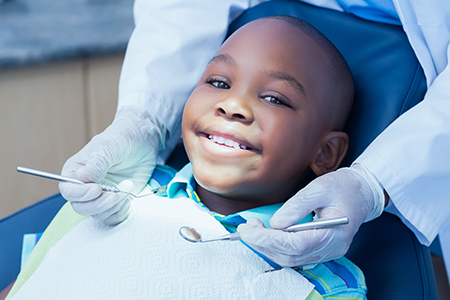
Tooth eruption follows a typical sequence, but timing varies from child to child. Many infants begin to show front teeth between six and twelve months, and by about three years of age most primary teeth are present. Early dental visits—often recommended around the first birthday—allow the dentist to check eruption patterns, identify concerns early, and advise on teething comfort measures.
Caring for a baby’s emerging teeth starts with gentle cleaning and creating helpful routines. For infants, wiping gums and emerging teeth with a soft cloth or infant brush keeps the mouth clean and familiarizes the child with oral care. As more teeth appear, parents can introduce a soft-bristled toothbrush and a smear of fluoride toothpaste in age-appropriate amounts, gradually increasing responsibility as the child matures.
Parents should be mindful of practices that increase decay risk, such as prolonged use of bottles or sippy cups with sugary liquids. Swapping juice or milk for water at sleep times and avoiding falling asleep with a bottle helps protect developing enamel. When questions arise about teething discomfort, feeding changes, or unusual eruption patterns, a pediatric dental visit is the best way to get clear guidance.
School-age children and adolescents face new oral health challenges as permanent teeth erupt and lifestyle factors change. Increased independence around diet and hygiene habits, participation in sports, and early orthodontic considerations all influence dental care needs. Regular dental exams during these years track tooth development and support decisions about preventive treatments, orthodontic referrals, and protective gear like mouthguards.
Monitoring facial growth and bite alignment is an important part of pediatric care. Some issues respond well to early, limited orthodontic intervention, while others are best managed once facial development is more advanced. The dental team will explain observations clearly and recommend appropriate timing for any specialist referrals, helping families make informed decisions about possible future treatment.
Adolescence can also bring an increased desire for cosmetic changes or tooth-straightening options; pediatric dentists work with families to prioritize oral health and function first, ensuring any aesthetic goals are pursued safely and at the right time. Encouraging good daily habits—brushing, flossing, wearing protective equipment, and avoiding habits that harm teeth—remains central through the teen years.
Throughout childhood, clinicians assess not only the teeth but the relationships between jaws, airway considerations, and any functional issues that might affect growth. Early detection of alignment problems or bite discrepancies allows for timely conversations with orthodontic or pediatric specialists. Collaboration among providers helps ensure a coordinated plan that supports both dental health and overall development.
A balanced diet supports both oral and general health. Foods rich in vitamins and minerals help tooth and bone development, while limiting frequent sugary or highly acidic snacks reduces enamel erosion and decay risk. Simple nutritional changes—such as offering water, encouraging whole foods, and keeping sugary treats occasional—make a measurable difference in a child’s oral health over time.

Pediatric dental care is a team effort: clinicians, parents, and children all play a role in maintaining healthy, confident smiles. Consistent routines, timely preventive care, and prompt attention to emerging issues help reduce the need for more complex treatment and support positive attitudes toward dental care that last a lifetime. If you’d like to learn more about pediatric services or how to establish strong oral health habits for your child, please contact us for more information.
A pedodontist is a dentist who has received advanced specialty training in meeting the dental needs of children from infancy to adolescence. Pedodontists, also referred to as "pediatric dentists," study child psychology, behavior management, caring for children with special needs, methods of handling oral/facial trauma, and various techniques for providing anesthesia and sedation. Pedodontists also understand the complexities of facial growth and development and have the clinical skills required to meet the dental needs of all children at every stage of development. Most of all, pedodontists are passionate about what they do and enjoy working with children. They strive to make every dental experience a positive one as they help children establish a strong foundation for good oral health.
Even before your child is born, their first set of teeth is already forming. In fact, by one year of age, some of your baby's front teeth will have already come into place. While the arrival of your baby's first teeth is only one of many developmental milestones, it represents an excellent time to begin a program of oral care. According to recommendations from the American Dental Association, babies should see the dentist around the time of their first birthdays.
Your baby's first teeth typically begin to appear in the 6 to 12-month range. While this is an extraordinary milestone, you need to be aware that your baby may find the experience a little bit uncomfortable. Teething can make babies feel irritable. They may be fussy, have trouble sleeping, not want to eat, and drool quite a bit.
Although you are powerless to speed up the process of teething, there are a few things that you can do to soothe your baby as the new teeth are erupting into place. Common approaches to helping your baby feel more comfortable while getting new teeth, include teething rings or a cold spoon or moist gauze rubbed over their gums.
Even for these few new teeth, it's absolutely essential to establish an effective regimen of oral care. For information on when your baby's first set of teeth will erupt into place, consult this timeline from the American Dental Association: Eruption Charts
Some children persist in sucking their thumbs or fingers beyond their preschool years. For these children, the activity continues to be a source of comfort, relaxation, and security. It may even help them fall asleep at night. However, it's essential to be aware that in the long-term, a finger sucking habit is not healthy.
If your child's thumb or finger sucking habit is still present when the permanent teeth begin to come in, your child is at a higher risk of developing a bad bite. By the age of five or six years, you need to constructively and gently help your child stop the habit.
It's also a good idea to have a comprehensive evaluation at this time. Your pedodontist can assess if there are any habit related alterations to the alignment of your child's teeth or jaws, or if it is affecting their speech or swallowing patterns. They can also discuss habit control strategies with you, as well as follow your child's bite and facial development as they grow. If interceptive appliances or corrective orthodontic care are recommended, the timetable and best options in care will be explained in complete detail.
Children should have their first dental visit by the time their first tooth appears or by their first birthday, whichever comes first. Early visits allow the dental team to check eruption patterns, screen for early enamel concerns, and answer caregiver questions about feeding and teething. Establishing care at this stage helps normalize the dental environment and gives parents practical guidance for daily routines.
During that initial appointment the clinician typically performs a gentle exam, offers tips for home oral care, and discusses habits that affect oral health. The visit is also a chance to outline a preventive schedule and to plan for future checkups based on the child's development. Early engagement fosters trust and reduces anxiety for subsequent visits.
Most children benefit from dental checkups every six months, though the clinician may recommend a different interval based on caries risk, eruption timing, or specific health needs. Regular visits allow the team to monitor growth, track permanent tooth eruption, and apply preventive measures when indicated. Consistent monitoring helps catch early issues before they require more complex treatment.
The dental team will tailor a recall schedule to match your child's individual needs and family circumstances. Factors such as frequent snacking, special medical conditions, or a history of early decay can influence visit frequency. Open communication with your provider ensures follow-up timing supports the best oral-health outcomes.
A routine pediatric visit generally includes a review of medical and dental history, a focused clinical exam, and a gentle cleaning to remove plaque and tartar. The clinician evaluates the teeth, gums, bite alignment, and oral tissues while explaining findings in age-appropriate language for both the child and caregiver. These visits also include practical coaching on brushing techniques, fluoride use, and home care routines.
When needed, digital radiographs may be taken to view areas between teeth and assess developing permanent teeth, helping to identify concerns not visible to the eye. The care team discusses preventive options such as sealants or topical fluoride when appropriate and outlines any recommended follow-up. Every visit aims to minimize discomfort and keep the child's development on track.
Preventing tooth decay begins with limiting frequent exposure to sugary drinks and snacks, encouraging water between meals, and establishing twice-daily toothbrushing with an age-appropriate toothbrush. Caregivers should supervise brushing until the child demonstrates consistent, effective technique, and use appropriate amounts of fluoride toothpaste as advised by the dental team. Consistent routines at home paired with regular dental visits form the foundation of cavity prevention.
In addition to home care, professional preventive measures such as topical fluoride and sealants can add protection for vulnerable surfaces of the teeth. Maintaining healthy feeding practices—avoiding prolonged bottle or sippy-cup use with sweet liquids and encouraging nutritious foods—also supports enamel strength. Timely dental appointments allow clinicians to identify early signs of decay and adjust preventive strategies accordingly.
Fluoride treatments are topical applications that help strengthen enamel and increase resistance to acid attack, while dental sealants are thin protective coatings placed on the chewing surfaces of molars to prevent decay in deep grooves. Both interventions are widely used in pediatric dentistry and have established safety profiles when applied according to clinical guidelines. Dentists recommend these preventive tools based on a child's individual risk for cavities and stage of tooth development.
The application process for fluoride varnish and sealants is quick and painless and is typically performed during a routine visit. Your dental provider will explain the benefits, recommended timing, and any follow-up needed to maintain protection. Decisions about these treatments are made collaboratively with caregivers to align with the child's overall care plan.
In the event of a dental emergency, remain calm and contact your dentist promptly to receive specific instructions; timely action can improve outcomes for many injuries. For a knocked-out tooth, keep the tooth moist and seek immediate care—do not scrub the root—and follow the dental team's guidance on attempted reimplantation. For severe toothache, rinse the mouth with warm water, use gentle flossing to remove trapped debris, and contact your provider to determine next steps.
Your pediatric dental team will advise whether the situation requires urgent in-office assessment or immediate stabilization before a scheduled appointment. They can also provide instructions for managing pain and swelling safely at home while you arrange evaluation. Having an emergency plan and knowing how to reach your dentist makes it easier to respond quickly when injuries occur.
Thumb-sucking and pacifier use are common soothing behaviors in infants and young children, and most children stop on their own by the preschool years without lasting effects. Concern arises if these habits persist beyond age 3 to 4 or if they begin to affect tooth position, bite development, or speech. If you notice changes in how teeth meet or if prolonged habits continue, consult the dental team for assessment.
Clinicians can offer strategies to help children phase out these habits, including positive reinforcement, alternative comfort techniques, and, when appropriate, referral to specialists for behavioral guidance. Early, supportive intervention reduces the likelihood of orthodontic problems later and helps parents manage transitions in a constructive way. Open communication with your dentist ensures monitoring and timely advice tailored to your child's needs.
Mouthguards are recommended for children participating in contact or collision sports and any activity with a risk of dental injury, including some noncontact recreational activities. A properly fitted mouthguard protects teeth, soft tissues, and supporting structures from impact and can reduce the likelihood of costly or traumatic injuries. Coaches and parents should encourage consistent use during organized sports, practices, and informal play where risks exist.
Custom-fitted mouthguards provided by a dental professional offer the best combination of protection, comfort, and fit, though well-made boil-and-bite options are also used when custom devices are not available. The dental team can advise on the appropriate type based on age, orthodontic appliances, and the sport involved. Regular checks ensure the guard fits as the child grows and teeth change.
Dentists monitor eruption patterns, jaw growth, and bite relationships at routine visits to identify irregularities that might benefit from early intervention or specialist referral. Observations can include crowding, crossbites, excessive spacing, or asymmetries in facial growth that may influence the timing of orthodontic evaluation. Early detection allows caregivers to weigh options and plan treatment at an age that maximizes effectiveness while minimizing risks.
When the dental team identifies potential orthodontic concerns, they will explain the findings clearly and recommend an appropriate timeline for referral if needed. Some conditions respond well to early, limited treatment, while others are better addressed after more growth has occurred. Collaboration between the pediatric dentist and orthodontist helps coordinate care that supports both dental health and facial development.
Creating a calm, reassuring experience is central to pediatric care, and clinicians use age-appropriate language, gentle techniques, and patient-centered pacing to reduce anxiety. Providers explain each step to the child and caregiver, offer distraction or relaxation strategies when helpful, and build familiarity through small, positive experiences that promote trust. Familiar routines and predictable expectations make subsequent visits easier for both children and families.
At Apple Dentistry the team emphasizes gentle communication and education to help children feel safe and understood while receiving care. Caregivers are invited to participate as needed, and the office environment is structured to support comfort and predictable interactions. Over time, these practices encourage lifelong positive attitudes toward oral health.