

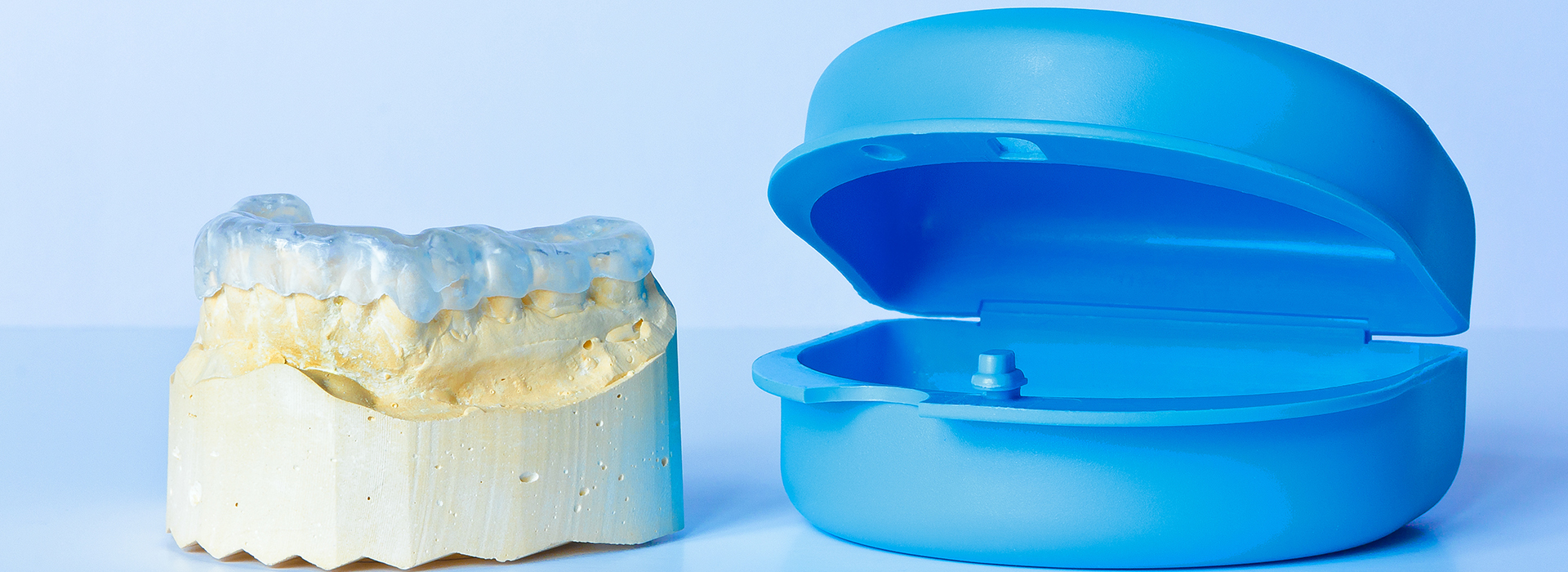
Grinding or clenching the teeth — commonly known as bruxism — often happens while people sleep, which makes it easy to overlook until symptoms appear. Morning jaw soreness, persistent headaches, increased tooth sensitivity, and the gradual flattening or chipping of tooth enamel are common signs. Left unaddressed, these issues can lead to more complex problems with the jaw joint and the surrounding muscles.
Because bruxism frequently occurs without waking the person, family members or partners sometimes notice the grinding before the patient does. Even when grinding is mild, the cumulative wear on tooth structure and dental restorations can be significant over time. Noticing the early warning signs and seeking care can prevent more extensive restorative treatment down the road.
Importantly, nighttime grinding is not merely a dental nuisance — it can affect overall sleep quality and daily comfort. Even small reductions in sleep efficiency or chronic facial tension can influence daytime concentration, mood, and general well-being, which is why dentists often recommend protective measures when bruxism is diagnosed.
Stress and anxiety are among the most frequently identified contributors to clenching and grinding, especially during periods of heightened emotional or physical demand. However, bruxism often has multiple influences working together, and pinpointing triggers helps guide a tailored treatment plan rather than a one-size-fits-all approach.
Sleep-related conditions — including obstructive sleep apnea and fragmented sleep — can increase the likelihood of nocturnal clenching. Dental factors such as missing, crooked, or unevenly worn teeth also change how the bite comes together and may predispose someone to grind. Certain medications and stimulants, like excessive caffeine or alcohol, can exacerbate the problem for some people.
Because bruxism can have various causes, a careful examination and a review of medical and sleep history are useful first steps. Identifying and addressing contributing factors alongside protective measures often leads to better long-term results than treating the symptom of grinding alone.
A night guard creates a protective barrier between the upper and lower teeth to prevent direct tooth-to-tooth contact. By separating the arches, the appliance reduces the surface wear that results from grinding and helps distribute biting forces more evenly, which can relieve strain on the jaw muscles and lessen pressure on the temporomandibular joints (TMJs).
Custom-fitted guards made from impressions or digital scans of your teeth offer advantages in fit, comfort, and durability compared with generic, over-the-counter options. Because they are tailored to your bite, custom devices are less likely to shift during sleep and can be adjusted to optimize comfort and function, which improves patient compliance.
Night guards come in a range of materials and design philosophies — softer, more flexible appliances can be comfortable for light grinders, while harder, stronger materials may be recommended for people with heavier wear patterns. Your dentist will discuss which option is most appropriate based on the intensity of your bruxism and your oral health goals.
Beyond protecting teeth, many patients report reduced jaw fatigue and fewer morning headaches once they consistently use a well-fitting night guard. While a guard does not cure bruxism, it serves as a practical and conservative step to preserve dental health while other risk factors are addressed.
The initial visit for a night guard typically begins with a focused dental exam and a conversation about symptoms and sleep habits. The dentist will look for signs of wear, check the health of existing restorations, and assess jaw function to determine whether a protective appliance is appropriate. If needed, referrals for sleep evaluation may be suggested to rule out related conditions.
Once a custom guard is recommended, impressions or a digital scan of the teeth are taken to capture the exact contours of your bite. These records guide the laboratory fabrication of an appliance that fits snugly and minimizes interference with normal jaw movements. Modern digital workflows can shorten turnaround time and improve accuracy compared with older techniques.
After fabrication, a fitting appointment ensures the night guard seats correctly and that minor adjustments are made for comfort and balance. Your dentist will explain how to insert and remove the appliance, give guidance on wearing schedules, and outline follow-up visits so performance can be checked and the device refined if necessary.
Proper care extends the life of a night guard and keeps it hygienic. Rinse the appliance with cool water after use, clean it with a soft brush and a gentle, non-abrasive cleanser, and store it in a ventilated case to avoid bacterial buildup. Heat can warp many guards, so avoid hot water and direct sunlight when cleaning or storing the device.
Night guards do wear over time, and regular review during dental check-ups helps determine when a replacement or repair is needed. Keep an eye out for changes in fit, visible cracks, or persistent odors; these are indicators that the guard should be evaluated. Bringing the appliance to routine visits allows the dental team to compare wear patterns and assess whether additional adjustments to treatment are necessary.
Alongside appliance therapy, tracking symptoms such as morning pain, headache frequency, and changes in tooth sensitivity provides useful feedback on how well the approach is working. Where appropriate, complementary strategies — including stress management techniques, targeted physical therapy for the jaw muscles, or orthodontic evaluation — can be integrated into a comprehensive plan.
At Apple Dentistry in Lansing, we focus on practical, evidence-informed approaches to protect your smile and reduce the daily burden of bruxism. If you notice persistent jaw discomfort, unexplained tooth wear, or regular nighttime grinding, contact us to discuss whether a custom night guard or a broader treatment plan is right for you. Our team can guide you through the evaluation, fitting, and follow-up so you can sleep more comfortably and protect your dental health.
A night guard is a removable oral appliance worn over the teeth to prevent direct tooth-to-tooth contact during sleep. It acts as a protective barrier that absorbs and redistributes the forces generated by clenching and grinding. By separating the upper and lower teeth, the device reduces wear on enamel and dental restorations and can relieve strain on the jaw muscles and temporomandibular joints.
Night guards do not cure the underlying causes of bruxism but they are a conservative, reversible way to protect the teeth while other contributing factors are evaluated. Many patients experience less morning jaw fatigue and fewer headaches when the appliance is used consistently. A dentist will recommend a guard as part of a broader plan that may include behavioral or medical strategies when appropriate.
Typical signs that point to nocturnal grinding include morning jaw soreness, frequent headaches that start upon waking, increased tooth sensitivity, and visible flattening or chipping of tooth surfaces. Partners or family members sometimes report hearing grinding sounds at night before the patient notices symptoms. Recurrent or unexplained damage to fillings, crowns, or other restorations also raises concern for bruxism.
Because many people grind without waking, a focused dental exam and symptom history are important for diagnosis. Early recognition helps prevent progressive wear and more extensive restorative work later. If you notice these signs, a dental evaluation can determine whether a night guard or additional testing is recommended.
Bruxism commonly has multiple contributing factors rather than a single cause. Emotional stress and anxiety are frequent triggers, but sleep-related conditions such as obstructive sleep apnea, certain medications, high caffeine or alcohol intake, and oral factors like missing or misaligned teeth can all increase risk.
Some people are more predisposed due to sleep architecture or neuromuscular patterns, and risk can also vary with age and life circumstances. A careful review of medical, dental and sleep history helps identify which influences are most relevant for an individual and guides a tailored treatment approach.
Custom night guards are fabricated from dental impressions or digital scans taken by a dentist, so they match the exact contours of the patient’s teeth and bite. This precision improves fit, reduces appliance movement during sleep, and allows for adjustments to optimize comfort and function. Better fit and stability typically increase patient compliance and overall effectiveness compared with generic boil-and-bite or one-size-fits-all products.
Custom devices are also available in a range of materials and thicknesses to suit different grinding intensities and clinical goals. A dentist can recommend an appropriate design and adjust the appliance over time if wear patterns or symptoms change. For people with heavy wear or complex restorative work, a professionally made guard helps protect dental investments and oral health more reliably.
An evaluation begins with a focused dental exam and a discussion of symptoms, sleep habits and medical history to assess signs of wear, jaw function and the condition of existing restorations. The dentist may screen for related conditions and recommend a sleep study or referral when signs point to obstructive sleep apnea or other sleep disorders. This comprehensive approach ensures the appliance is part of a coordinated care plan rather than a standalone fix.
If a custom night guard is indicated, impressions or a digital scan are taken to capture your bite and tooth anatomy, and those records guide laboratory fabrication or chairside construction. A fitting appointment follows to confirm fit and comfort and to make any necessary adjustments so the device seats evenly without interfering with normal jaw movements. At Apple Dentistry in Lansing the team will review wearing instructions and schedule follow-up visits to monitor performance and comfort.
Night guards are typically made from thermoplastic, acrylic or other dental resin materials that range from soft and flexible to hard and durable. Softer, more flexible materials are often comfortable for light grinders and can be easier to adapt to, while harder acrylics are recommended for patients with heavier wear because they resist deformation and abrasion. The choice depends on the intensity of grinding, the presence of restorations, and patient preference.
Thickness and construction style also influence protection and comfort; for example, a thicker hard appliance may better distribute forces for severe bruxers but can feel bulkier. Your dentist will explain material options and select a design that balances protection, longevity and tolerance based on your clinical needs. Periodic evaluation helps determine whether a different material or design is needed as wear patterns evolve.
Proper care prolongs the life of a night guard and maintains hygiene. Rinse the appliance with cool water after each use, clean it gently with a soft toothbrush and a mild, non-abrasive cleanser, and avoid hot water that can warp the material. Allow the guard to dry before storing it in a ventilated case to reduce bacterial growth and odor.
Inspect the device regularly for cracks, distortion or persistent smells, and bring it to routine dental visits so the team can compare wear patterns and make adjustments. Avoid chewing on the guard or exposing it to direct sunlight or high heat. Following these simple habits helps keep the appliance effective and comfortable for nightly use.
The lifespan of a night guard varies based on material, the severity of grinding, and how well it is cared for; many guards last from one to several years. Heavier grinders and those who clench forcefully will generally see faster wear, and soft materials typically need replacement sooner than harder acrylics. Regular dental check-ups are the best way to monitor appliance condition and estimate remaining service life.
Replace the guard if you notice visible cracks, loss of fit, persistent odors, or new discomfort that indicates changes in your bite or appliance shape. Bringing the device to appointments allows the dentist to assess wear and recommend repair or replacement when necessary. Timely replacement preserves protection and helps avoid damage to natural teeth and restorations.
A night guard protects the teeth from the effects of bruxism but does not directly treat many underlying causes such as sleep apnea or chronic stress. When sleep-disordered breathing is suspected, the dentist may refer you for a sleep evaluation because obstructive sleep apnea requires specific medical or dental sleep appliances and coordinated care. Addressing psychological and lifestyle triggers often involves behavioral strategies, counseling or relaxation techniques in addition to dental protection.
In some cases, a multidisciplinary approach produces the best long-term outcomes: a night guard preserves dental health while other specialists address airway issues, medication side effects, or stress management. Your dentist can work with physicians, sleep specialists and therapists to develop a comprehensive plan tailored to your needs. Combining targeted therapies with an appliance provides protection during the diagnostic and treatment process.
Track changes in symptoms such as morning jaw soreness, the frequency of headaches, tooth sensitivity and any new or worsening wear to gauge whether the night guard is effective. Many patients notice reduced muscle tension and fewer morning symptoms within a few weeks of consistent use, but results vary and appliance adjustments are common as the bite adapts or wear patterns emerge. Keep a simple symptom log to share with your dental team at follow-up visits.
Schedule follow-up appointments so the dentist can check fit, review wear patterns and make refinements to the appliance if needed. If symptoms persist or new concerns arise, further evaluation or referral may be recommended to address underlying contributors. To arrange an evaluation or follow-up, contact Apple Dentistry at (708) 231-4811 and ask about a night guard assessment.