

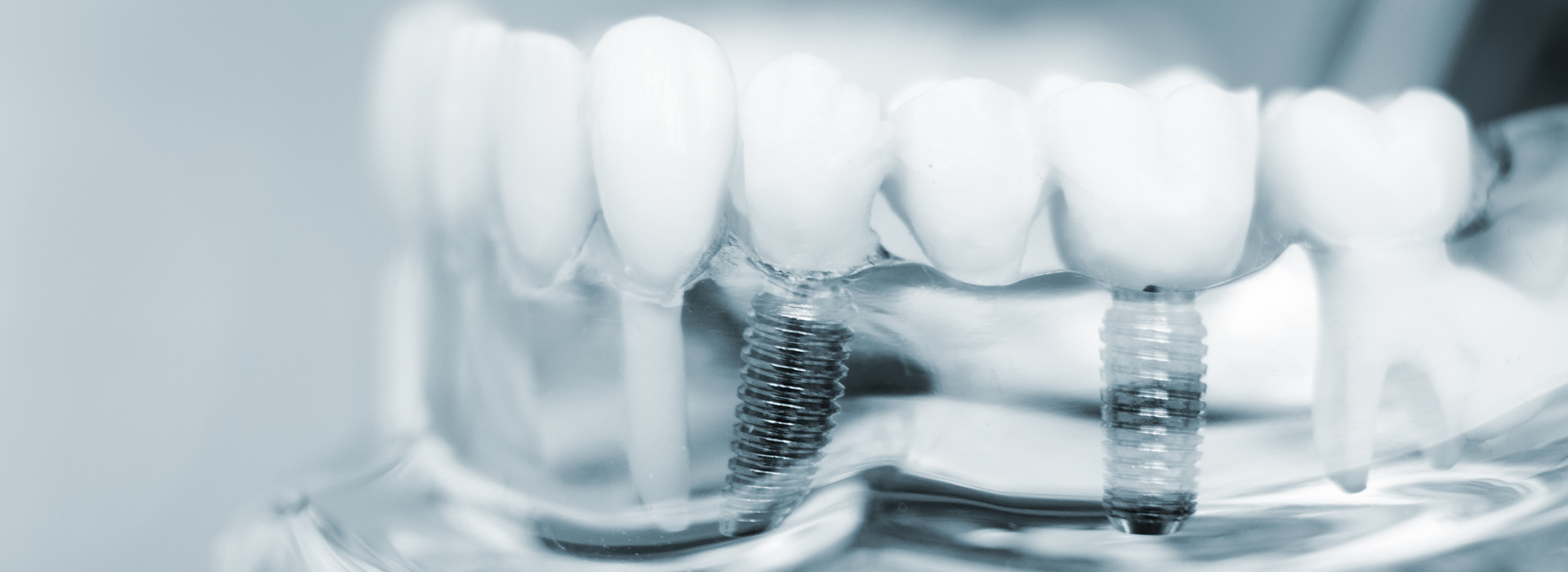
Missing teeth change more than just the way you look — they can make eating, speaking, and smiling feel difficult or uncertain. Modern dental implants are designed to restore those everyday functions in a way that closely mimics natural teeth. By replacing both the visible crown and the supporting root structure, implants give people back the stability and confidence that are often lost after tooth removal.
Implant therapy is appropriate for a wide range of situations: a single missing tooth, several gaps, or a full arch of replacement teeth. The goal is always the same — to rebuild a healthy, comfortable bite that supports good chewing, clear speech, and a natural facial profile. Treatments are planned around each patient’s anatomy, health history, and aesthetic goals to deliver results that feel as natural as they look.
At Apple Dentistry, we emphasize thoughtful planning and patient education so you understand each step of care. Our approach balances predictable clinical techniques with modern materials to help you enjoy a long-lasting, functional smile.
A dental implant is a small, biocompatible post that is placed into the jaw to act as an artificial tooth root. Made from materials such as titanium or zirconia, implants integrate with the surrounding bone and provide a stable foundation for crowns, bridges, or implant-retained dentures. This biological connection — often called osseointegration — is the key to the implant’s strength and longevity.
Because an implant substitutes for the root as well as the crown, it preserves the stimulation that keeps jawbone healthy. When teeth are missing, bone can shrink over time; implants help prevent that process by transferring functional forces into the bone during chewing. The result is improved facial support and a reduced risk of the sunken appearance that can follow long-term tooth loss.
Implants are engineered to handle the same loads as natural teeth, so once fully integrated and restored, they allow patients to eat and speak with confidence. The visible restorations are custom-designed for color, shape, and proportion so they blend smoothly with your remaining teeth and overall facial features.

Implant dentistry is versatile: a single implant can support one crown, a pair of implants can support a bridge, and multiple implants can anchor an entire arch. The best solution depends on how many teeth are missing, the condition of the surrounding bone, and your personal preferences for a removable versus fixed restoration. Each option is designed to restore function while preserving the health of adjacent teeth and supporting structures.
For patients missing one tooth, an implant crown replaces only the missing tooth without altering neighboring teeth. When several teeth are missing in a row, an implant-supported bridge restores multiple teeth while avoiding the need to prepare healthy adjacent teeth, unlike some conventional bridges. For those who have lost most or all of their teeth, full-arch implant restorations provide a fixed, secure smile that behaves much like natural dentition.
There are also implant-retained overdenture solutions that combine the security of implants with the familiarity of a removable prosthesis. These hybrid approaches improve retention and function while simplifying hygiene and maintenance for many patients. Your treatment plan will highlight the advantages of each option and how it aligns with your lifestyle and long-term goals.
Successful implant treatment starts with a comprehensive evaluation. This includes a review of medical and dental history, a clinical exam, and imaging to assess bone volume, tooth alignment, and sinus anatomy when appropriate. If additional procedures such as bone grafting or tooth extractions are required, those will be planned so that the implant sites are healthy and stable.
Implant placement is typically performed as a minor outpatient surgical procedure under local anesthesia, with sedation options available for comfort. Careful surgical technique and precise placement are important for long-term success. After placement, the implant requires time to integrate with the bone — a process that usually spans several weeks to a few months depending on the case and the bone quality.
During healing, temporary restorations can often be provided to preserve aesthetics and function. Your restorative team will coordinate the design and timing of the final crowns, bridges, or dentures so that the completed smile meets both functional and cosmetic objectives. Throughout treatment, we provide clear instructions for pre- and post-operative care to help ensure a smooth recovery.
Long-term implant success depends on proper planning, high-quality restorations, and attentive home care. Daily oral hygiene practices — including thorough brushing and interproximal cleaning — combined with regular dental visits help protect the tissues around implants. While implants themselves do not decay, the gums and surrounding bone can be affected by inflammation if plaque control is neglected.
Bone health is a key consideration. When tooth loss has led to bone loss, grafting techniques can rebuild the foundation needed for stable implant placement. Bone grafting is a common and predictable part of modern implant care, and many patients who initially lack adequate bone can still receive implants after appropriate preparation.
Good candidates for implants generally include anyone in reasonable overall health who is motivated to maintain oral hygiene and attend routine follow-up care. Certain medical conditions and habits — such as uncontrolled diabetes or heavy tobacco use — can affect healing and should be discussed during the evaluation. Our team will review your health history and recommend the safest, most effective course of treatment tailored to your situation.
Rebuilding a secure, natural-feeling smile is a collaborative process between you and your dental team. If you’d like to learn more about how dental implants can address your specific needs, contact us for more information. Our team will be glad to explain the options and help you determine the right path forward for a healthy, lasting smile.
If you've lost a tooth due to injury, decay, gum disease, or any other reason, we recommend dental implants to replace missing teeth. Dental implants come the closest to replicating the look, feel, and function of your natural teeth.
Dental implants are placed into the jawbone and mirror the same function as the root of a tooth. The procedure for dental implants is usually performed while a patient is sedated. Patients who undergo IV sedation must have an empty stomach and transportation home following the procedure. Most sedation patients will have little to no memory of the procedure occurring.
Generally, dental implants are made out of a biocompatible metal such as titanium. Biocompatible metals are also used for other common bone implants (such as shoulder, hip, and knee replacements). The visible portion of the implant is usually made out of porcelain and is custom-made to match your existing teeth.
Dental implants are designed to fuse to the bone, which makes them become permanent fixtures. Typically speaking, the success rate is nearly 100%. There are few cases in which the implant will not fuse as intended and must be removed. If this happens to occur, the procedure can be attempted again a few months later.
Dental implants are not usually covered by dental insurance, but may be covered under a patient's medical insurance. Our office and your insurance company can discuss coverage options with you based on your individual case and treatment plan.
It's easy... just take care of an implant as if it's a natural tooth! This involves regular brushing, flossing, and dental checkups. If you have any concerns about your implant, contact us immediately.
A dental implant is a small biocompatible post that replaces a missing tooth root and serves as a stable anchor for a crown, bridge, or denture. Implants are commonly made from titanium or zirconia and are designed to integrate with the jawbone through a biological process called osseointegration. Once integrated, the implant provides support for prosthetic teeth that are custom-made for color and shape to match surrounding dentition.
By restoring both the root and the visible tooth, implants preserve jawbone by transmitting chewing forces into the bone, which helps prevent the bone loss that can follow tooth extraction. This support also helps maintain facial contours and allows patients to chew and speak with stability similar to natural teeth. Implants are intended to function like natural teeth when properly planned and maintained.
Good candidates are generally adults in stable overall health who have sufficient jawbone to support an implant or who are willing to consider bone grafting when needed. Healthy habits and a commitment to daily oral hygiene and regular dental visits are important because the tissues around an implant require ongoing care. Certain conditions such as uncontrolled diabetes or heavy tobacco use can affect healing and should be discussed during evaluation.
Bone volume, gum health, and the alignment of surrounding teeth all influence candidacy and the type of restoration recommended. Your dental team will review your medical history, perform an oral exam, and use imaging to determine whether implants are appropriate and whether preparatory procedures are needed. When necessary, staged treatment such as extractions, grafting, or orthodontic adjustments can be planned to create a predictable path to implant placement.
At Apple Dentistry, the implant evaluation begins with a thorough review of your medical and dental history and a clinical examination to assess oral health and functional needs. Diagnostic imaging, such as cone-beam computed tomography (CBCT) or standard radiographs, is used to measure bone volume, evaluate anatomical structures, and aid in precise treatment planning. This information helps the team design a restoration that meets your aesthetic and functional goals while minimizing risks.
The treatment plan will outline any preparatory work, the proposed number and position of implants, and a timeline for surgery and restoration. We will also discuss anesthesia and sedation options, post-operative instructions, and how temporary restorations will be managed during healing. Clear communication about each step helps patients understand expectations and participate in decision-making.
Implant placement is a minor outpatient surgical procedure usually performed under local anesthesia, with sedation options available for patient comfort. The surgeon exposes the bone, prepares an osteotomy to precisely receive the implant, and then places the implant into position before closing the soft tissues. Sutures may be used to support healing, and most patients experience manageable discomfort that is controlled with short-term medication and self-care.
In many cases a temporary prosthesis is provided to maintain appearance and basic function while the implant integrates with the bone. Careful surgical technique and accurate implant positioning are important to protect nearby structures such as nerves and the sinus cavity. Follow-up appointments monitor healing and guide the timing for fabrication of the final crown, bridge, or denture.
Healing time varies but typically ranges from several weeks to a few months, depending on bone quality, the need for grafting, and the implant location. During this period, bone remodels around the implant in a process that establishes a stable foundation for the final restoration. Patients are advised to follow post-operative care instructions to reduce the risk of complications and to protect the surgical site.
Once the implant has integrated, the restorative phase begins with impressions or digital scans to design the final prosthesis that matches adjacent teeth. The timing of the final restoration is individualized to ensure both functional load and aesthetic outcomes are optimized. Routine follow-up visits allow the team to evaluate the restoration and supporting tissues and to make adjustments if needed.
Single implants support individual crowns that replace one missing tooth without altering neighboring teeth, while two implants can support a bridge to replace several teeth in a row. For patients missing most or all teeth, multiple implants can anchor fixed full-arch restorations or support overdentures that improve retention and stability. The choice between fixed and removable solutions depends on anatomy, patient preference, hygiene considerations, and long-term maintenance needs.
Implant-retained overdentures combine the predictability of implant support with the familiarity and ease of a removable prosthesis for many patients. Fixed full-arch reconstructions are designed to mimic natural dentition and offer a permanent-feeling solution for appropriate candidates. Your restorative team will explain the functional differences and help you select the approach that aligns with your lifestyle and oral health goals.
Daily care for implants includes thorough brushing with a soft or electric toothbrush and regular cleaning between teeth and around implant restorations using floss, interdental brushes, or water irrigation as recommended. An antimicrobial mouth rinse may be advised in certain situations to control bacterial buildup near the tissues around implants. Avoiding habits that increase risk, such as heavy tobacco use, supports healing and long-term tissue health.
Professional maintenance is equally important; regular dental checkups include assessments of the restoration, soft tissues, and bone levels, with periodic radiographs as indicated. Your dental hygienist can tailor a maintenance schedule and provide cleaning techniques that protect both natural teeth and implant-supported restorations. Prompt attention to any soreness, bleeding, or loosening helps prevent more significant problems and preserves function.
As with any surgical procedure, implant therapy carries potential risks such as infection, bleeding, swelling, or temporary altered sensation if nearby nerves are affected. Longer-term complications can include peri-implant mucositis and peri-implantitis, conditions in which inflammation leads to soft tissue problems or progressive bone loss around the implant. Early detection and treatment of these conditions improve the chance of stabilizing the implant and surrounding tissues.
Risk is minimized through careful planning, appropriate surgical technique, and patient adherence to oral hygiene and follow-up care. Certain medical conditions and medications can influence healing, so full disclosure of your health history is important before treatment. If complications occur, treatment options may include improved hygiene measures, professional cleaning around the implant, antibiotic therapy, or surgical intervention when necessary.
Bone grafting and sinus-lift procedures are commonly used to rebuild deficient bone and create the foundation needed for predictable implant placement. Grafting materials can include the patient’s own bone, donor bone, or processed graft substitutes, and they are selected based on the clinical situation and restorative goals. Sinus lifts raise the sinus membrane and place graft material in the upper jaw to increase bone height for implants in the posterior maxilla.
These augmentation procedures are routine in modern implant dentistry and are planned with imaging to estimate the amount of bone required and the timing of implant placement. Healing after grafting varies but often requires several months for the graft to integrate before implants can be placed or loaded. Many patients who initially lack sufficient bone can still receive implant restorations after appropriate augmentation and healing.
Apple Dentistry combines careful diagnostic planning with modern materials and techniques to deliver implant care tailored to each patient’s health, function, and aesthetic needs. The team uses imaging and guided planning tools to position implants precisely and to coordinate surgical and restorative phases for predictable outcomes. Patient education is emphasized so individuals understand each step, the expected timeline, and the maintenance needed for long-term success.
Comfort and safety are priorities; procedures are performed in a clean, controlled environment with anesthesia and sedation options to reduce anxiety and discomfort. The practice coordinates any necessary preparatory treatments, such as extractions or grafting, and provides clear post-operative instructions to support healing. Follow-up care includes regular assessments of restorations, soft tissues, and bone to help identify and address issues early.