Emergency Treatment

Urgent Dental Concerns: What to Do Right Away

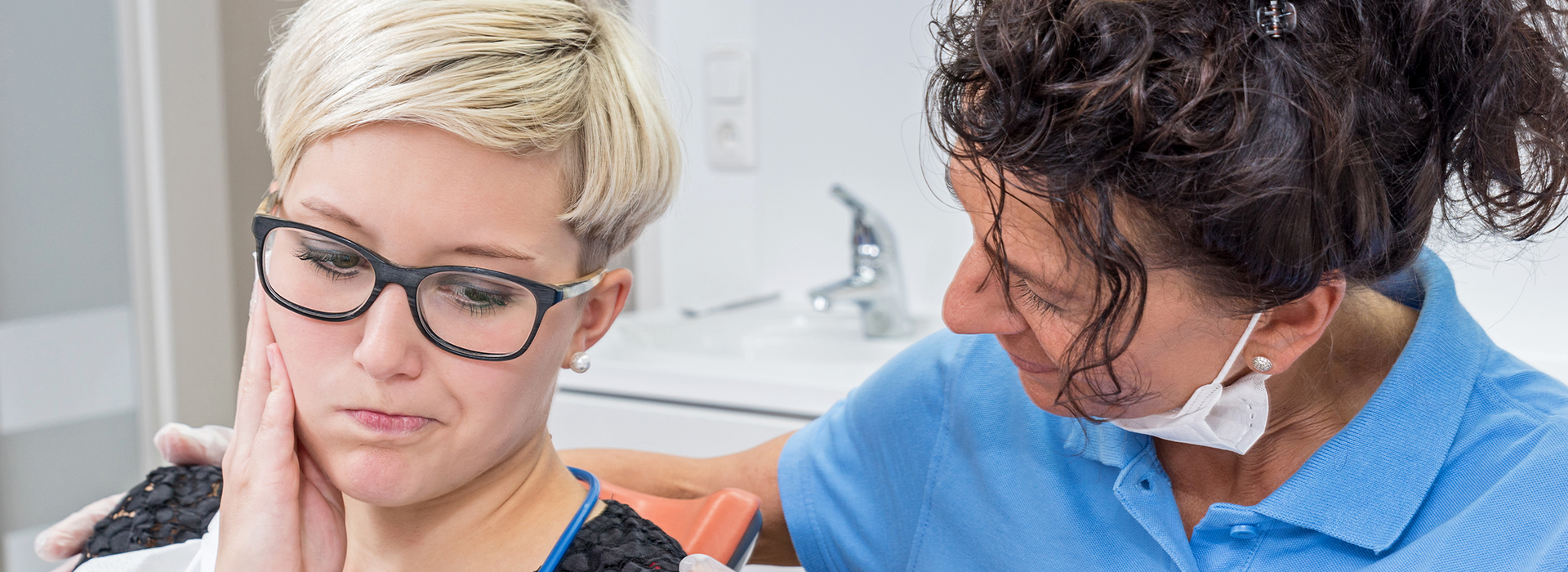
When a dental emergency strikes, quick and calm action can make a meaningful difference in the outcome. Start by assessing immediate risks: severe bleeding, difficulty breathing, or a head injury require dialing emergency services first. For most dental problems — like sudden tooth pain, a knocked-out tooth, or a broken restoration — there are simple first-aid steps you can take to stabilize the situation until you reach professional care.

Comfort measures such as rinsing gently with warm water, applying a cold compress to reduce swelling, and using over-the-counter pain relievers (when appropriate and not contraindicated) can help manage symptoms. If a tooth has been dislodged, attempt to keep it moist by placing it back in the socket if possible, or storing it in milk or saline; this preserves the tooth’s viability. Avoid placing non-sterile materials into the mouth and refrain from probing an injured area with fingers or sharp objects.

Preparing basic supplies at home — a small container, clean gauze, a cold pack, and saline or milk — lowers stress when an unexpected problem occurs. Bringing these items and any relevant dental records to your emergency appointment can help clinicians act quickly and make informed decisions. Staying calm and acting deliberately will help protect oral tissues and improve the prospects for conservative treatment.

How to Recognize Different Types of Dental Emergencies

Not every oral issue requires immediate emergency care, but some signs should be evaluated without delay. Intense, unrelenting pain; swelling that affects your face or throat; uncontrolled bleeding; or a tooth that is loose, displaced, or completely out of the mouth all warrant prompt attention. Other concerning symptoms include fever with oral pain, pus drainage, or difficulty swallowing or breathing.

Common urgent dental problems include toothaches caused by deep decay or infection, fractured or chipped teeth from trauma, problematic wisdom teeth that produce acute pain, and abscesses that produce localized swelling and systemic symptoms. Soft-tissue injuries — cuts to the lips, tongue, or cheeks — can also be urgent if bleeding will not stop or if foreign material is embedded in the wound.

Below are many of the issues we frequently address during emergency visits:

  • Toothaches
  • Chipped or fractured teeth
  • Abscesses
  • Loose or broken fillings
  • Dislodged or lost dental crowns
  • Broken, ill-fitting, or lost dentures
  • Problematic wisdom teeth
  • Acute periodontal problems
  • Loose or broken down teeth
  • Swollen, bleeding gums
  • Bacterial, viral, or fungal infections affecting the tongue, cheeks, gums, lips, or other soft tissues of the mouth
  • Oral pain or swelling of unknown origin
  • Suspicious bumps, spots, and lesions

Recognizing the difference between a routine concern and a true emergency helps patients seek the right level of care without unnecessary delay. When in doubt, consult a dental professional for guidance — early assessment often prevents small problems from becoming major ones.

What to Expect During an Emergency Dental Visit

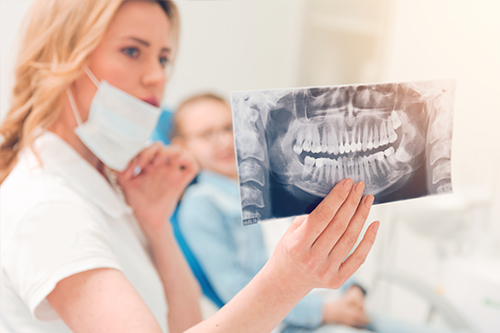
Emergency visits focus first on stabilizing the issue and relieving pain. When you arrive, the dental team will conduct a focused history and examination to determine the source and severity of the problem. Digital imaging or other diagnostic tests may be used to assess fractures, infections, or root involvement — these tools allow clinicians to plan the most appropriate and conservative treatment.

Care is typically staged: initial measures concentrate on pain control and infection management, followed by definitive treatment when medically appropriate. For many patients, that means immediate temporary solutions — such as splinting a loose tooth, providing a temporary crown, or draining an abscess — with a plan for follow-up restorative or endodontic care. The goal is to preserve natural tooth structure whenever possible and to protect overall oral health.

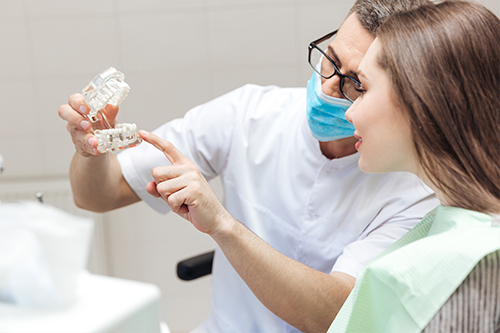
Communication is an important part of the emergency visit. The team will explain findings, present treatment options, and outline next steps in clear, straightforward language so patients can make informed decisions. We prioritize comfort during procedures, employing local anesthesia and other techniques to minimize discomfort.

Emergency Treatments: From Stabilization to Long-Term Solutions

A wide range of treatments can be performed during emergency appointments, depending on the diagnosis. Minor fractures can often be smoothed and restored with bonding or a new filling, while more extensive damage may require a crown to rebuild strength and function. When a tooth’s pulp is affected by infection or trauma, endodontic treatment (root canal therapy) may be necessary to save the tooth and eliminate pain.

In cases where a tooth cannot be saved, extraction may be the safest course to remove infection and protect adjacent teeth. Modern extraction techniques help minimize trauma and support healing. After removal, there are multiple options for replacing missing teeth that restore chewing ability and aesthetics; these restorative plans are typically discussed once the acute problem is resolved and tissues have stabilized.

For soft-tissue injuries or oral infections, the team may provide suturing, topical care, or prescribe appropriate antimicrobial therapy when indicated. Follow-up care is essential: many emergency interventions are the first step in a broader treatment plan designed to restore long-term oral health and function.

Preparing for Emergencies and Reducing Future Risk

While not all dental emergencies can be prevented, many result from accidents, delayed care, or untreated dental disease. Regular dental check-ups and timely treatment of decay and gum disease reduce the chance that a minor issue will escalate into an urgent problem. Wearing a properly fitted mouthguard during sports and avoiding using teeth as tools are practical ways to protect teeth from trauma.

Families should have a basic emergency plan that includes knowing how to reach their dental office during off hours and where to go for immediate care if required. Keeping a small dental kit at home and in vehicles — with gauze, a small container, and a cold pack — helps manage injuries until professional care is available. Educating children and caregivers about safe habits and early warning signs of trouble can prevent unnecessary complications.

When emergencies do occur, the best outcomes come from prompt evaluation, clear communication, and a coordinated follow-up plan. Our office works with patients to create recovery pathways that prioritize healing, preserve natural teeth when possible, and restore comfortable function quickly and thoughtfully.

In summary, dental emergencies demand timely attention, thoughtful assessment, and care tailored to the individual patient. Apple Dentistry approaches urgent problems with a focus on comfort, clear communication, and clinically sound treatment plans. If you have questions or need more information about emergency dental care, please contact us for assistance.


Frequently Asked Questions

What is a dental emergency?

+

Toothaches

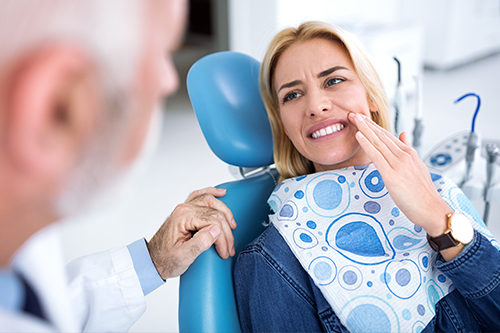
Pain is your body's way of signaling that something is not quite right and though there are many reasons for oral pain, one of the most common complaints and reasons for seeking urgent dental care is a toothache. Whether you simply need a dental filling, a crown, or require a root canal procedure to save your tooth, we'll alleviate your discomfort and restore the look and function of the involved tooth.

Dental Trauma

Dental trauma can result in a defect as minor as a small chip in tooth enamel to a more extensive and painful crack or fracture. With sufficient force, a tooth can even be displaced or completely knocked out of its socket. With prompt emergency care, many injured teeth can be restored and saved.

Wisdom Teeth

The last teeth in your mouth to develop, wisdom teeth often do not have enough room to fully erupt or may be positioned in the wrong direction. These issues can affect your dental health as well as overall well-being. Our office provides skilled care to address the complications caused by problematic wisdom teeth.

Broken or Lost Dental Appliances

A broken or lost dental prosthesis or restoration can cause embarrassing gaps in your smile as well as compromise your ability to eat and speak with ease. If you've lost or broken a dental filling, denture, crown, or other dental appliance, you can rely on our office to perform a prompt repair or provide a durable and cosmetically pleasing replacement as quickly as possible.

At the office of Apple Dentistry, emergency appointments are always available. Of course, in addition to providing top treatment for dental emergencies, we also welcome patients searching for high quality and affordable care. We offer a complete range of the latest and best cosmetic and dental services for every member of your family.

How long do I have to wait for an emergency dental appointment?

+

If you are suffering from a toothache or have sustained a dental injury, it is important to visit the dentist as soon as possible before more serious complications arise. Whether your dental emergency is painful, if it affects the appearance of your smile, or if you suspect that an infection is present, our office will make every effort to see you as promptly as possible for care.

At the office of Apple Dentistry, we treat your dental emergency as our top priority. Our caring team will respond to your emergency call right away, making sure you get the gentle, state-of-the-art care you need without delay.

As your trusted emergency dentist in Lansing, we provide the highest quality of care to mitigate the stress, anxiety, and discomfort of dental problems. Our dedicated team will help you start feeling better as soon as we receive your emergency call.

Do I need to go to the emergency room or hospital?

+

At the office of Apple Dentistry, we provide skilled and experienced care to effectively resolve a broad range of dental emergencies, restoring a patient's oral health while protecting their overall wellbeing.

However, even so, specific dental emergencies pose significant threats to one's health. These situations require immediate, emergency room care. Serious and potentially life-threatening dental emergencies include significant oral and facial trauma such as jaw fractures, deep wounds or lacerations to the face and mouth, an abscess or infection that causes widespread facial or submandibular swelling, or affects breathing and swallowing.

How much does emergency dental treatment cost?

+

At the office of Apple Dentistry, we provide prompt, skilled, and experienced care to address dental emergencies. We understand that finances are always a concern and do our best to provide options in care that are both affordable and respect your budget.

Once we've had the opportunity to examine your smile, we can give you a clear picture of any existing dental issues, along with a quote for what the cost of treatment will be. The cost of care all depends upon the extent and complexity of issues affecting the health or appearance of your smile and the types of procedures that are required.

To help alleviate any additional stress or delay, you can count on our staff to work with you to optimize coverage for your dental care and to minimize your out-of-pocket expenses. For patients without insurance, we strive to make things easier as well! We invite you to visit our financial information page or speak to an expert in our business office.

Why choose us for your emergency dental treatment?

+

Dental emergencies are often painful and debilitating experiences. For this reason, it's important to have an emergency dentist in Lansing, who welcomes patients with urgent dental needs while providing the prompt care required to restore oral health.

Here are just some of the reasons why so many patients choose our office for emergency dental care and to meet their family's dental needs:

  • Skilled and compassionate care for patients of all ages
  • Ultra-modern office designed with patient comfort in mind
  • Professional team experienced in all facets of care
  • State-of-the-art diagnostic and treatment technology
  • Precise and gentle treatment using leading-edge systems of care
  • Careful attention paid to patient input and treatment expectations
  • Detailed explanations of treatment options and every step in care
  • Provision of a broad range of dental services and emergency procedures
  • Recognizes the specific needs of each patient and the unique requirements of every smile
  • Provide patients with the education and tools to establish a strong foundation for optimal oral health

We're dedicated to helping patients enjoy good oral health and beautiful smiles. We look forward to helping you keep your smile in tip-top condition. You can rest assured that our highly skilled office team will provide you the highest quality of state-of-the-art dental care and have you smiling again in no time!

To make an appointment or for more information on our office and the many state-of-the-art services we provide, give us a call today.

What should I do immediately after a dental injury?

+

Begin by assessing whether there is a life-threatening issue such as heavy bleeding, trouble breathing, or a head or neck injury; if any of these are present, call emergency services right away. For most dental injuries, remain calm and control bleeding with gentle, steady pressure using clean gauze or a cloth. Avoid probing the injury with fingers or sharp objects and do not place non-sterile materials directly into the wound.

Use a cold compress on the outside of the cheek to reduce swelling and take over-the-counter pain relief if appropriate and not contraindicated for your health conditions. Keep any broken tooth fragments or a knocked-out tooth moist in milk or saline and bring them to your dental appointment. Contact your dental office as soon as possible so the team can advise you on next steps and prepare for an urgent evaluation.

How can I tell if a toothache is an emergency?

+

A toothache may be an emergency if it is severe, unrelenting, or accompanied by facial swelling, fever, difficulty swallowing or breathing, or drainage of pus. These signs can indicate an advancing infection or an expanding abscess that requires prompt attention to prevent spread to adjacent tissues. Persistent, severe pain that interferes with sleep or normal function also warrants urgent evaluation rather than waiting for a routine appointment.

If your symptoms include systemic signs such as fever, widespread swelling, or increasing redness and warmth, seek immediate care and notify your dental office so they can advise whether you should be seen urgently or directed to emergency medical services. When in doubt, contacting a dental professional for guidance helps ensure early assessment and reduces the risk of complications. Early treatment often allows more conservative options to preserve natural tooth structure.

What steps should I take if a tooth is knocked out?

+

If a permanent tooth has been completely dislodged, handle it by the crown (the chewing surface) and avoid touching the root to reduce damage to the cells needed for reattachment. Rinse the tooth gently under water only if it is dirty, do not scrub or remove tissue fragments, and attempt to reinsert it into the socket if you can do so without force. If reinsertion is not possible, store the tooth in milk, saline, or a tooth preservation kit and seek dental care immediately, ideally within an hour for the best chance of successful reimplantation.

While en route to the dental office, keep the person calm and apply a cold compress to control swelling and pain, and use gauze to manage any bleeding. Inform the dental team about the injury so they can prepare necessary supplies and imaging to evaluate the socket and tooth condition on arrival. Prompt professional care significantly improves the likelihood of saving the tooth and reducing long-term complications.

How should I manage a fractured or chipped tooth before I see a dentist?

+

Rinse your mouth with warm water to clean the area and use a cold compress to limit swelling and relieve pain. If available, collect any tooth fragments and bring them with you; these pieces can sometimes be reattached or used as a reference for restoration. Avoid chewing on the injured side and cover any sharp edges with dental wax or sugar-free gum to prevent soft-tissue irritation until you can be seen.

Over-the-counter pain relievers may help while you arrange care, and keeping the head elevated can reduce throbbing discomfort. Contact your dental office promptly for an assessment, as timely intervention can often preserve more of the natural tooth and allow for conservative restorative options. The dentist will evaluate the fracture pattern and recommend either smoothing, bonding, a crown, or other appropriate treatment.

What should I do about severe oral bleeding or soft-tissue injuries?

+

For bleeding lips, tongue, cheeks, or gums, apply firm, direct pressure with clean gauze or a cloth for 10 to 20 minutes without checking too frequently; constant checking can disrupt clot formation. A cold compress applied to the exterior of the cheek helps reduce bleeding and swelling, and keeping the head elevated can also be beneficial. Avoid using home remedies such as alcohol, hydrogen peroxide, or non-sterile materials in the wound, as these can delay healing or introduce contaminants.

If bleeding does not slow after sustained pressure, if the wound is deep, or if there is suspicion of foreign material embedded in the tissue, seek immediate professional care. Soft-tissue injuries may require suturing, sterile irrigation, or removal of foreign objects, procedures best performed in a controlled clinical setting. If airway compromise, heavy arterial bleeding, or uncontrolled bleeding occurs, call emergency services without delay.

When should I go to the emergency room instead of the dental office?

+

Go to the emergency room for dental-related problems only when there are signs of a life-threatening condition such as difficulty breathing, significant facial trauma, uncontrollable bleeding, or suspected injury to the head or neck. The ER is equipped to manage airway compromise, major hemorrhage, and severe systemic trauma that require immediate stabilization. For isolated dental pain, swelling without airway compromise, or a knocked-out tooth, a dental office equipped for urgent care is usually the most appropriate setting.

If you are unsure whether your situation requires the ER, err on the side of safety and call emergency services for guidance, or contact your dental office for triage instructions. The dental team can often advise whether an urgent dental visit or emergency medical care is indicated. Coordinated care between medical and dental providers ensures patients receive the right level of intervention quickly.

What happens during an emergency dental visit?

+

An emergency visit begins with a focused medical history and clinical examination to identify the source and severity of the problem, followed by targeted imaging when needed to assess fractures, infections, or root involvement. Initial treatment aims to stabilize the situation through pain control, infection management, and temporary measures such as splinting, drainage, or a provisional restoration. The clinician will explain findings, outline immediate options, and recommend a staged plan that prioritizes comfort and tissue preservation.

Treatment may include local anesthesia, topical care for soft-tissue injuries, suturing, or starting antibiotics when an infection is suspected, always tailored to the patient’s health history and symptoms. Many emergency procedures are intended to buy time and reduce risk until definitive restorative or endodontic care can be completed. Clear follow-up instructions and a plan for definitive treatment are provided before discharge.

Can a dental infection become a serious health risk?

+

Yes, untreated dental infections can spread beyond the tooth and surrounding gum tissue to nearby spaces of the face and neck and, in rare cases, lead to systemic infection. Signs of a spreading or serious infection include increasing facial swelling, fever, chills, difficulty breathing or swallowing, and rapidly worsening pain. These symptoms require prompt evaluation because an expanding infection can compromise the airway or advance into deeper neck spaces.

Early intervention typically involves draining localized collections, initiating appropriate antimicrobial therapy when indicated, and addressing the dental source of infection with endodontic treatment or extraction. Timely dental care reduces the risk of systemic complications and usually allows for more conservative measures to preserve oral structures. If you notice signs of systemic illness with oral infection, seek immediate medical or emergency dental care.

How can families prepare for dental emergencies at home or during activities?

+

Keep a simple dental emergency kit on hand containing clean gauze, a small rigid container with a lid, a cold pack, and sterile saline or milk for storing an avulsed tooth temporarily. Discuss basic steps with family members and caregivers so everyone knows how to control bleeding, how to handle a knocked-out tooth by the crown, and when to contact the dental office or emergency services. For children and athletes, using a properly fitted mouthguard during sports and avoiding using teeth as tools are practical preventive measures.

Maintain regular dental checkups and address decay or loose restorations promptly to reduce the likelihood that minor problems will become urgent. Keep your dental office’s after-hours contact information accessible and update it in emergency plans, and bring any relevant dental records to urgent appointments when possible. Preparedness and early action help improve outcomes when unexpected injuries occur.

What should I expect after emergency dental treatment and during recovery?

+

After initial emergency treatment, expect specific aftercare instructions regarding pain management, oral hygiene, activity restrictions, and signs to watch for that might indicate infection or complications. The clinician will schedule follow-up visits to complete definitive care such as permanent restorations, root canal therapy, or further surgical evaluation once acute symptoms have settled. Patients should follow medication directions carefully and avoid irritants like hard or sticky foods on the treated side until healing is adequate.

At Apple Dentistry, we emphasize clear discharge instructions and timely follow-up to restore long-term function and comfort whenever possible. If you notice increasing pain, swelling, fever, or any new concerning symptom after treatment, contact the office promptly so the team can reassess and adjust the recovery plan. Early communication and adherence to post-procedure guidance help support predictable healing and better outcomes.

Contact Us

SMS Consent
Submit

Thank You!

We appreciate you taking the time to visit our site. We'll review your message and be in touch with you soon.

Continue

Explore More

Get in Touch

Address:

2457 Ridge Rd, Lansing, IL 60438

Hours of Operation

Monday
9:00 am - 7:00 pm
Tuesday
9:00 am - 5:00 pm
Wednesday
9:00 am - 5:00 pm
Thursday
9:00 am - 7:00 pm
Friday
9:00 am - 1:00 pm
Saturday
Closed
Sunday
Closed