

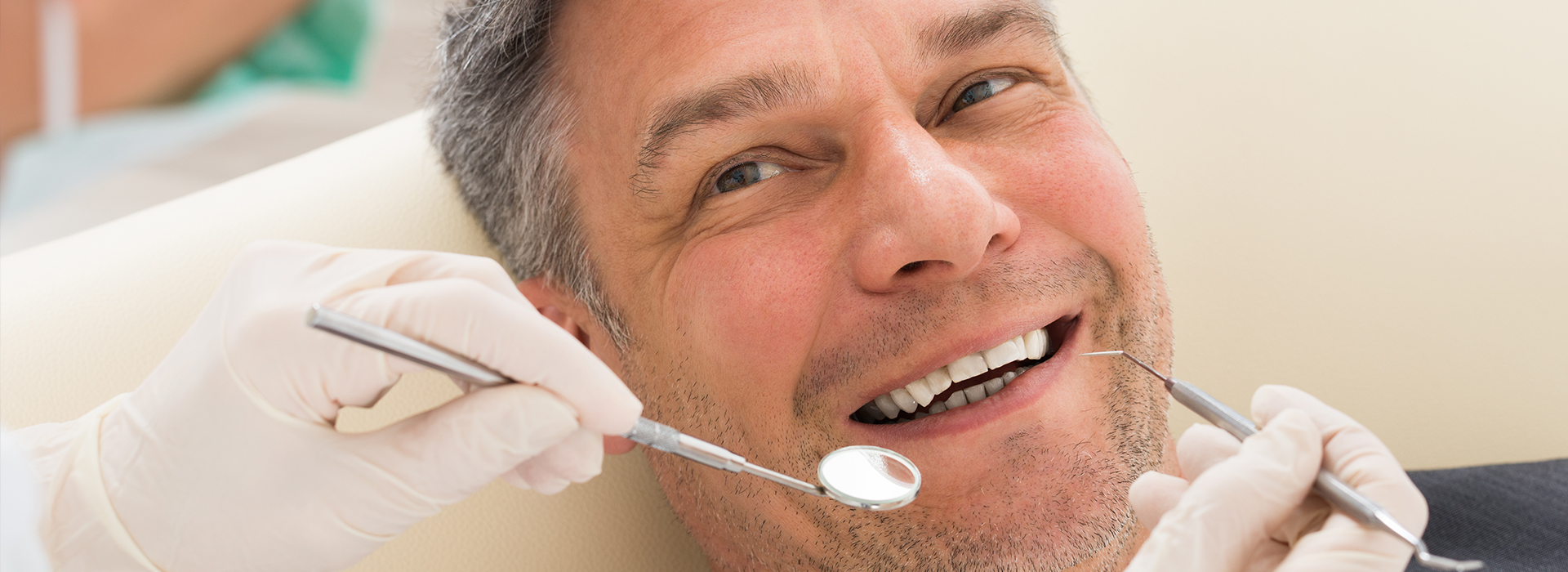
A small area of decay doesn't have to become a big problem. Modern dental fillings are designed to repair damaged tooth tissue while conserving as much healthy structure as possible. By removing only the compromised enamel and dentin and rebuilding the tooth with an appropriate restorative material, we restore function and maintain the natural shape of the tooth.
Filling a cavity is as much about prevention as it is about repair. Left untreated, decay can spread, weaken the tooth, and eventually lead to infection or the need for more extensive treatment. Timely restoration helps stop the progression of disease and preserves comfort, chewing ability, and the long-term health of the tooth.
At Apple Dentistry, we combine careful diagnosis with conservative techniques to deliver restorations that perform well and look natural. Our approach emphasizes precision, gentle preparation, and materials selected to match your expectations for strength and appearance.
People have attempted to treat dental problems for thousands of years, and evidence of early restorative efforts goes back millennia. Over time, clinicians experimented with metals, ceramics, and various cements to find materials that could reliably replace lost tooth structure.
The past century brought dramatic advances: durable metal alloys were widely used, and later generations of tooth-colored materials emerged that prioritize aesthetics as well as function. Today’s restorative palette gives clinicians options to balance longevity, biocompatibility, and appearance for each patient.
No two mouths are identical, so treatment plans should never be generic. We assess each tooth in the context of your bite, oral hygiene, and cosmetic goals, then recommend filling materials and techniques that fit those needs. This personalized planning helps deliver predictable results that stand the test of time.
Our team places an emphasis on patient comfort and clear communication. Before any procedure begins, we explain the steps involved, the reasons for our recommendations, and what you can expect during recovery. This transparency helps you make informed decisions about your care.
When appropriate, we use modern tools and adhesive techniques that strengthen the bond between restoration and tooth. Those advances reduce the amount of tooth removed during treatment and help restorations endure in everyday function.
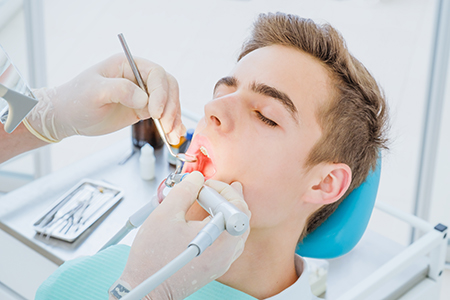
Selecting a filling material involves weighing several factors: the location and size of the cavity, the forces the tooth will encounter, aesthetic preferences, and the expected lifespan of the restoration. A molar bearing heavy chewing force may prioritize durability, while a front tooth often prioritizes a seamless appearance.
We discuss these elements with you and share the advantages and limitations of each option so you can make a confident choice. Our goal is to match the correct material to your clinical needs while respecting your priorities for comfort and appearance.
In many cases, a tooth-colored restoration can provide both good function and an appealing look. For other situations, specialized materials or indirect restorations such as inlays and onlays may be recommended to achieve the best long-term outcome.
Composite fillings are made of resin mixed with glass-filled particles that provide strength while matching the natural color of the tooth. They are versatile and can be sculpted to restore shape, close small gaps, and blend with adjacent teeth for a discreet result.
Because composite bonds to the tooth, it often requires removing less healthy structure during preparation. This adhesive property also helps seal the restoration and support the remaining tooth, though composites can be more susceptible to surface wear over many years compared with some indirect materials.
Amalgam has been a reliable choice for decades where strength and longevity are priorities, particularly for large cavities in back teeth. Its physical properties make it resistant to chewing forces and wear.
While not tooth-colored, amalgam remains a practical option in situations where durability is the primary concern and aesthetics are secondary. Your clinician will explain whether this material is appropriate based on the tooth’s function and condition.
Glass ionomers bond chemically to the tooth surface and release fluoride over time, which can help protect the tooth against further decay. They are often used in areas where moisture control is difficult or for restoring primary (baby) teeth.
These materials are generally less wear-resistant than other options, so they are commonly chosen for small restorations, cavity liners, or temporary repair situations rather than heavy-duty posterior repairs.
Ceramic restorations are crafted outside the mouth to precisely fit the prepared tooth and are bonded into place. They offer excellent aesthetics and wear resistance, making them a strong choice for larger or more complex restorations where a direct filling may not be ideal.
Because they are fabricated from high-quality dental porcelain, ceramic inlays and onlays provide a durable, stain-resistant surface that closely mimics natural enamel in color and translucency.
Gold alloys provide excellent strength, wear compatibility with opposing teeth, and a high degree of longevity. They are used less frequently today due to aesthetic preferences but remain a valuable option where strength and biocompatibility are paramount.
When chosen for a particular tooth, gold restorations are meticulously crafted to deliver a long-lasting and stable repair that can tolerate heavy functional demands.
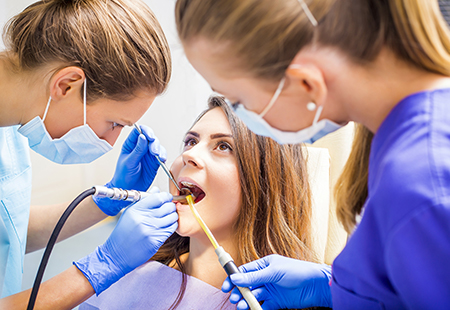
Treatment begins with a careful assessment including a visual exam and, when needed, diagnostic imaging. Identifying the extent of decay and the condition of the surrounding tooth determines the most appropriate restorative approach and informs how much tooth structure must be prepared.
When it’s time for the procedure, we prioritize comfort and efficiency. Most restorations are completed under local anesthesia so the area is completely numb while the decay is removed and the tooth is prepared. This process is performed with precision to preserve healthy tissue.
The specific placement technique varies by material. Direct restorations—such as composite or glass ionomer—are placed and contoured directly in the mouth, while indirect restorations like ceramic inlays require impression-taking or digital scans, laboratory fabrication, and then bonding at a subsequent visit.
Advances in dental technology, including adhesive systems and improved instrumentation, help us deliver restorations that fit accurately and function well. Throughout each step, we confirm your comfort and verify the bite to ensure the restoration integrates seamlessly with your daily activities.

A newly placed filling is a long-term investment in your oral health. Simple aftercare steps can extend its service life and keep your mouth comfortable. Good oral hygiene, routine dental checkups, and mindful chewing habits help preserve both the restoration and the surrounding tooth.
Immediately following placement, it’s common to experience temporary numbness and mild sensitivity. These effects usually subside within hours to a few days. If sensitivity persists or you notice pain while biting, let us know so we can evaluate and make any necessary adjustments.
Regular professional exams allow us to monitor restorations for wear, marginal breakdown, or new decay. When detected early, minor repairs or refinements can prolong the life of a restoration and prevent the need for more extensive care later on.
Protect yourself while numb
Until anesthesia wears off, avoid chewing or touching the treated area to prevent accidental bites to the lips, cheeks, or tongue.
Expect brief sensitivity
Mild sensitivity to temperature or pressure is normal. Use gentle oral hygiene and avoid very hard or sticky foods for a short period as the tooth settles.
Maintain consistent care
Brushing twice daily, flossing, and attending routine dental visits are the best ways to support the health of your restoration and reduce the risk of future cavities.
Report changes promptly
If you notice a persistent ache, a rough edge, or anything that feels unusual with your bite, contact our office so we can assess and address the issue quickly.
We are committed to clear communication and quality care throughout the restorative process. If you have questions about which filling option is best for you or need guidance after a procedure, please contact Apple Dentistry for more information.
If the pleasure of eating a delicious bowl of ice cream or sipping a soothing cup of tea gets overshadowed by dental pain that makes you wince; it's time to contact our office. As skilled providers of care, we'll determine what's causing your discomfort and perform the treatment required to alleviate your symptoms and get you back on the road to oral health.
Cavities develop because of an infectious process that causes progressive damage to tooth structure. Despite starting as a pinpoint defect on the outermost enamel layer of your tooth, untreated dental decay progressively compromises more and more healthy tooth structure as it works its way to the inner layers of your tooth.
Yes, you can still develop tooth decay on other surfaces of the tooth, around the margins of an old filling, or in fewer instances, recurrent decay underneath it. For this reason, it's essential to maintain excellent oral hygiene, a diet low in sugary beverages and sweets, and be sure to visit our office for routine checkups and care. While tooth decay is second only to the common cold in frequency, it's almost entirely preventable.
We value the time and comfort of our patients. If cavities are located on adjacent teeth, or in the same section of your smile, it may be possible to treat more than one tooth during your visit. However, how much is done each visit depends on several factors. We keep our patients well informed and tailor every treatment plan and visit to address their unique needs.
Addressing concerns on the presence of elemental mercury in silver fillings, the American Dental Association (ADA), The Center for Disease Control and Prevention (CDC), the FDA, and the World Health Organization have all stated that amalgam restorations do not pose a risk to health. However, individuals with allergies or sensitivities to the metals in dental amalgam are advised to pursue other restorative options.
Dental fillings are performed under local anesthesia to help ensure your comfort throughout the entire procedure. The involved tooth remains completely numb for the extent of your visit. Within one or two hours after the procedure is completed, the local anesthetic will gradually wear off, and normal sensations return.
A tooth-colored composite filling is fully hardened and set by the end of your visit. However, we may advise you to wait a couple of hours until the local anesthesia has completely worn off. This advice is to help ensure you don't accidentally bite your lip, cheek, or tongue while still numb.
The lifetime of a dental filling varies depending on the type of material used. While popular dental materials can last a decade or more with proper care, they can degrade over time, wear down, or even break. When this happens, you may experience some tooth sensitivity, a jagged edge, or a loose or dislodged piece of filling material. Whatever the case may be, it's essential to get the filling replaced before the tooth sustains further damage or other consequences arise. Beyond taking good care of your smile to help ensure the longevity of your fillings, our office regularly checks the status of your existing fillings as part of a routine checkup exam.
Dental fillings are an essential investment that serves to preserve and protect the health of your smile. With that said, how much a filling costs depends on the number of surfaces of the tooth involved and the filling material that is used. Amalgam restorations are the most economical. While tooth-colored composite fillings have a slightly higher cost, they offer the added benefits of being metal-free and much more aesthetically pleasing. Ceramic fillings, inlays, and onlays are more expensive than the preceding options but provide outstanding, long-lasting, and natural-looking results.
Dental insurances typically cover the cost of dental fillings. While we work with you to maximize your insurance benefits, there may still be an out-of-pocket expense. At the office of Apple Dentistry, we strive to help you begin care without any additional financial stress or delay.
Dental fillings are restorations used to repair teeth that have been damaged by decay or minor fractures. They replace lost tooth structure and restore the tooth's shape and function so you can bite and chew normally. Modern fillings also help seal the tooth to prevent bacteria from re-entering the treated area.
Most fillings bond to the remaining tooth structure and distribute chewing forces across the restored surface. The dentist removes the compromised tissue, prepares the cavity, and places the chosen material to rebuild the tooth. Properly placed fillings protect the tooth from further breakdown and help preserve long-term oral health.
Choosing a filling material depends on several clinical factors, including the tooth's location, the size of the defect, chewing forces, and aesthetic goals. Front teeth and visible areas typically favor tooth-colored materials, while back teeth that endure heavy chewing may require stronger restorative options. Your dentist will review these factors during the diagnostic exam and explain the benefits and limitations of each choice.
Patient-specific considerations such as oral hygiene, risk of recurrent decay, and any allergies or sensitivities also influence material selection. When a direct filling is not ideal, the dentist may recommend an indirect option like an inlay or onlay that is fabricated outside the mouth. This tailored approach helps achieve a balance between appearance, durability, and conservation of natural tooth structure.
Treatment begins with a careful exam and any necessary imaging to determine the extent of decay and the condition of the surrounding tooth. Local anesthesia is used as needed so the area is numb while the dentist removes the decay and prepares the cavity with precision. The chosen restorative material is then placed, shaped, and finished to restore proper form and function.
Direct restorations such as composite or glass ionomer are placed and contoured in the mouth, often in a single visit, while indirect restorations like ceramic inlays require impressions or digital scans and a second visit for bonding. Throughout the procedure the dental team monitors your comfort, checks the bite, and makes final adjustments so the restoration integrates smoothly with your chewing pattern. Good communication before and during treatment helps set clear expectations and reduces anxiety.
Most fillings are placed with local anesthesia so the treated area is numb and the procedure is comfortable for the patient. You may feel some pressure or vibration during the treatment, but sharp pain is uncommon when anesthesia is effective. If at any point you feel discomfort, tell the clinician so additional steps can be taken to improve comfort.
After the anesthesia wears off it is normal to experience mild sensitivity to temperature or chewing for a few days as the tooth settles. This typically resolves on its own, but if you have persistent pain, increased sensitivity, or pain with biting, contact the office so the restoration and underlying tooth can be evaluated. Prompt attention to unusual symptoms helps prevent complications and restores comfort quickly.
The longevity of a filling depends on the material used, the size and location of the restoration, and individual oral habits. Tooth-colored composites may last many years with good care but can be more prone to wear than indirect restorations in high-stress areas. Indirect options like ceramic inlays, onlays, and metal alloys offer excellent durability and are often chosen when long-term strength is a priority.
Oral hygiene, diet, grinding or clenching, and regular dental checkups all influence how long a restoration performs optimally. Restorations can fail from recurrent decay at the margins, fracture, or wear, and early detection during routine exams allows for conservative repairs. Maintaining consistent care and addressing changes promptly helps extend the useful life of any filling.
After receiving a filling, continue brushing twice daily with fluoride toothpaste and flossing once a day to reduce bacterial buildup around the restoration. Avoid very hard or sticky foods for a short period after placement if you experience sensitivity or numbness, and be mindful while the tooth adjusts. Good nutrition and avoiding frequent sugary snacks also reduce the risk of future decay.
Attend regular dental checkups so your dentist can monitor the condition of your fillings and detect early signs of wear or marginal breakdown. If you notice a rough edge, persistent sensitivity, or a change in your bite, schedule an evaluation so repairs can be made before problems progress. Consistent home care combined with professional maintenance provides the best protection for restored teeth.
Common signs that a filling may require attention include new or worsening sensitivity, pain when biting, a visible chip or crack, or a feeling that the tooth surface is uneven. Dark lines or staining at the edge of a restoration can suggest marginal breakdown or recurrent decay. If a filling becomes loose or falls out, bacteria can quickly enter the exposed area and should be assessed promptly.
During routine exams your dentist will check the integrity of existing restorations with visual inspection and, when appropriate, diagnostic imaging. Early detection allows for conservative treatment such as repair or replacement before a more extensive restoration becomes necessary. Seeking timely care reduces the risk of more invasive procedures and preserves tooth structure.
Children's primary (baby) teeth have different anatomy and a different lifespan than permanent teeth, so material selection and treatment planning take those factors into account. Glass ionomer cements are often used for certain primary teeth because they bond well in moist conditions and release fluoride, which can be beneficial. For larger defects or when a longer-lasting solution is needed, tooth-colored composites or stainless steel crowns may be appropriate.
Behavior management, the child’s ability to cooperate, and preventive strategies are also important components of pediatric restorative care. Early intervention and routine preventive visits help protect developing teeth and teach effective oral hygiene habits. The dental team will explain options and recommendations that balance durability, preservation of tooth structure, and the child's comfort.
A crown or onlay is recommended when the tooth has lost substantial structure, when a cavity is too large for a direct filling, or when additional protection is needed to restore function. Indirect restorations like onlays and crowns are fabricated to cover and strengthen the remaining tooth while providing long-term durability. These options are especially useful for teeth with extensive decay, large fractures, or endodontically treated teeth that need reinforcement.
The decision to move from a filling to an indirect restoration is based on clinical assessment of remaining tooth strength, occlusal forces, and aesthetic considerations. Your dentist will discuss the advantages of each approach and explain how an onlay or crown can preserve more of the tooth in the long run compared with repeated large fillings. Choosing the appropriate restoration helps reduce future risk and supports predictable outcomes.
At our office in Lansing, IL, the team emphasizes careful diagnosis, conservative preparation, and selection of materials that match the patient's aesthetic and functional needs. We use modern adhesive techniques, color-matching protocols, and precise finishing to create restorations that blend with adjacent teeth and restore proper bite relationships. Attention to detail during placement and adjustment helps the restoration feel natural in everyday use.
Our clinicians review each case individually, explain the recommended options, and confirm that the restoration meets your expectations before completing the appointment. Follow-up care and routine monitoring ensure that restorations continue to perform well over time. If you have questions about a specific restoration or want to schedule an evaluation, our team is available to help you understand the best path forward.